
Basement Water Damage Symptoms You Shouldn’t Ignore
Basement water damage affects countless homeowners and commercial property owners in South Jersey. When water infiltrates your basement, it can cause structural damage, mold growth, and health complications. At CHW Basement Waterproofing South Jersey, we understand the need to detect these issues early and take proactive measures before minor moisture problems turn into major repairs. In this article, we detail the most common signs of water damage—from musty odors and efflorescence to visible mold and wall cracks—and explain their causes along with actionable prevention steps. Drawing on over 20 years of experience, our guide will help you safeguard your foundation and maintain indoor air quality.
By understanding these signs, you protect both your property’s integrity and your family’s health. Each section addresses a different aspect of basement water damage, providing practical tips for detection, prevention, and professional intervention. Let’s explore the critical symptoms you should never ignore.
What Are the Most Common Signs of Basement Water Damage?
Basement water damage is often evident through visible stains, cracks, or persistent moisture. Early recognition of these signs is essential to prevent further deterioration and potential health risks.
How Does a Musty Odor Indicate Basement Water Damage?
A musty odor signals water damage and mold growth. When water infiltrates porous materials, it creates an ideal environment for mold and mildew, releasing volatile organic compounds that cause this odor. Prolonged exposure to these smells can lead to respiratory issues and allergies, alerting homeowners to the need for prompt action.
What Is Efflorescence and How Does It Signal Water Issues?
Efflorescence is the white, powdery residue seen on basement walls and floors. It occurs when water dissolves salts in building materials and deposits them on surfaces as it evaporates. This not only affects aesthetics but also indicates moisture penetration that may compromise structural integrity over time.
How Do Cracks in Basement Walls Reveal Water Damage?
Cracks in basement walls are a direct sign of water damage. They can result from hydrostatic pressure or shifting foundations and provide easy pathways for water entry. The repeated cycle of water intrusion and evaporation worsens these cracks, highlighting the need for timely repairs.
How Can Visible Mold Growth Help Detect Water Damage?
Visible mold growth is a clear indicator of persistent moisture issues. Beyond damaging surfaces, mold releases spores that degrade indoor air quality and may trigger allergies. Immediate remediation is crucial to protect health and prevent further damage.
Why Is Standing Water a Critical Basement Water Damage Symptom?
Standing water is the most obvious sign of water damage. It not only damages flooring, walls, and belongings but also creates an environment for mold and bacteria growth. The presence of standing water usually signals poor drainage, inadequate waterproofing, or improper grading around the foundation.
How Can You Detect Hidden or Early Basement Water Damage Symptoms?
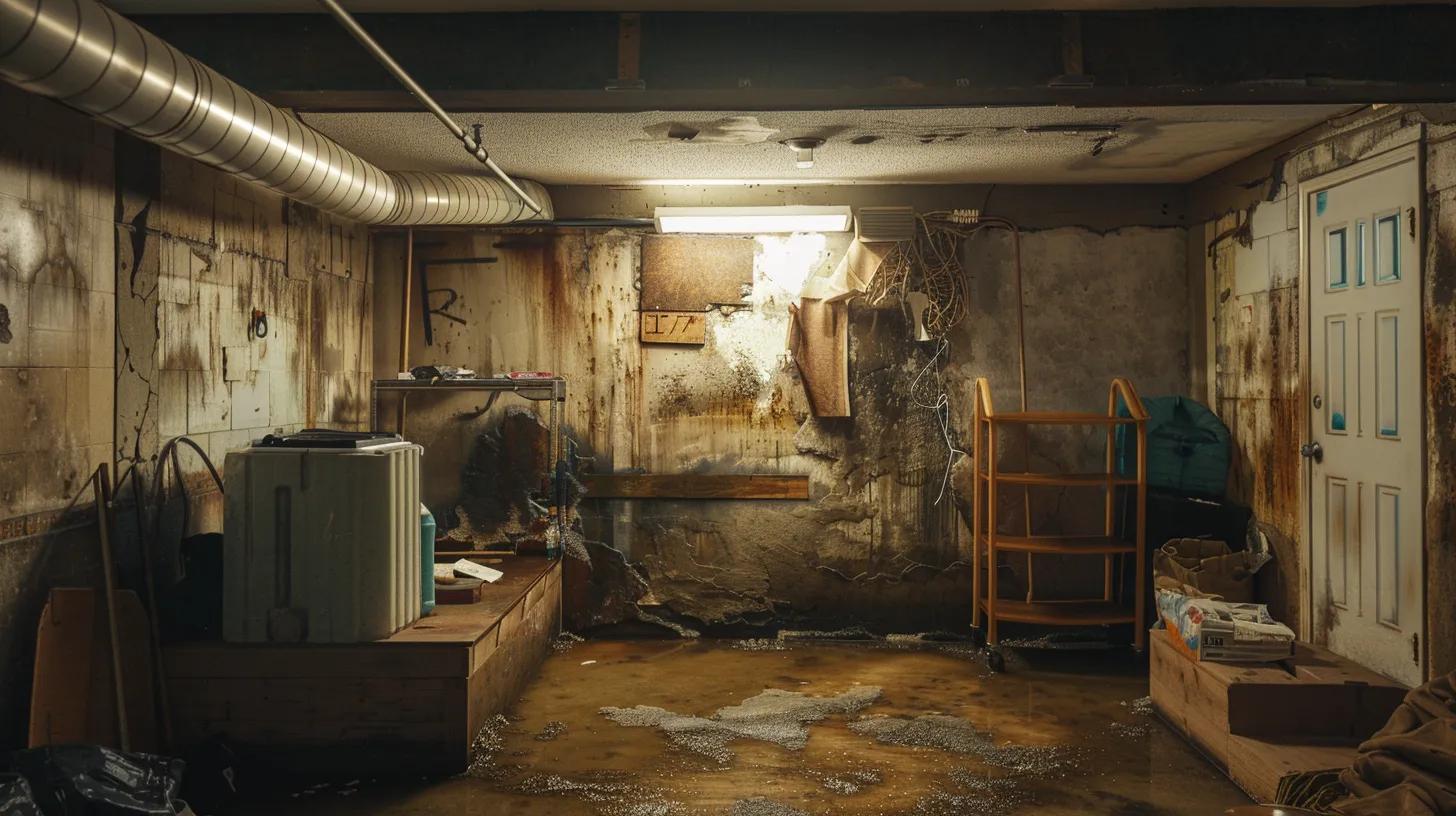
Early detection of basement water damage means noticing subtle clues before significant damage occurs.
What Are the Signs of Dampness and Peeling Paint in Basements?
Dampness and peeling paint indicate moisture intrusion behind wall surfaces. When water migrates through a wall, it causes paint to lift or bubble, accompanied by cold, discolored patches. These early signs suggest that water is moving through the structure, potentially leading to more severe damage.
How Does Discoloration or Water Stains Point to Water Intrusion?
Discoloration and water stains on walls and ceilings are visual cues that water has penetrated building materials. These irregular, spreading patterns suggest ongoing intrusion and signal the need for further investigation.
Can Increased Humidity Levels Signal Basement Water Problems?
Basements with elevated humidity levels often suffer from inadequate ventilation. High moisture levels can cause condensation on pipes, windows, and walls, fostering mold growth and negatively affecting stored items and overall comfort.
How to Use Smell and Touch to Identify Hidden Water Damage?
By using your senses, you can detect hidden water damage. A sudden musty odor combined with a cold, damp feel on a wall is a strong indicator of concealed moisture. Tactile inspections in less visible areas can help pinpoint water intrusion early.
What Causes These Basement Water Damage Symptoms?
Understanding the causes of basement water damage is key to implementing lasting solutions.
How Do Foundation Cracks Lead to Water Intrusion?
Foundation issues and cracks create pathways for water from the surrounding soil, especially during heavy rains or rapid snowmelt. These small openings can compromise the foundation’s stability and allow continuous water intrusion that escalates structural issues.
What Role Does Poor Drainage Play in Basement Water Damage?
Poor exterior drainage leads to water pooling near the foundation. When downspouts, gutters, and surrounding soil fail to divert water away, increased hydrostatic pressure forces water through basement walls, setting the stage for dampness, efflorescence, and mold growth.
How Does Hydrostatic Pressure Affect Basement Walls?
Hydrostatic pressure occurs when water in the soil pushes against basement walls, especially when the water table is high or the soil drainage is poor. This pressure can force water into even tiny cracks, eventually leading to bowed walls and water leak if left unaddressed.
Can Plumbing Leaks and Condensation Cause Basement Water Damage?
Even minor plumbing leaks or condensation can cause persistent dampness on basement surfaces. Over time, these seemingly insignificant issues encourage mold growth and material deterioration, necessitating prompt repairs to prevent larger-scale damage.
How Can You Prevent and Address Basement Water Damage Symptoms Early?
A proactive approach combining waterproofing and regular maintenance is essential to counter basement water damage.
What Are Effective Basement Waterproofing Methods?
Exterior waterproofing methods include sealing foundation walls with specialized coatings, installing drainage systems, and applying vapor barriers indoors. Additional measures such as proper soil grading and downspout extensions help direct water away from the structure, forming a robust defense against moisture.
How Does Sump Pump Installation Help Prevent Water Damage?
A sump pump collects excess water in a sump basin and pumps it away from your foundation. This device is particularly useful during heavy rains or when groundwater levels rise, significantly reducing the risk of basement flooding and standing water in your basement.
What Steps Are Involved in Mold Remediation for Basements?
Mold remediation involves identifying affected areas, removing mold-infested materials, and thoroughly cleaning surfaces with antimicrobial agents. Addressing the underlying moisture issue is vital to prevent mold recurrence and protect indoor air quality.
How Can Regular Basement Inspections Detect Symptoms Early?
Regular inspections, conducted professionally or by a vigilant homeowner, can catch early signs of moisture problems such as damp spots, peeling paint, or hairline cracks. Early detection saves on repair costs and ensures a safer living environment.
When Should You Call a Professional for Basement Water Damage Symptoms?
While some minor issues can be managed with DIY fixes, significant water damage requires professional expertise for long-lasting results.
What Are the Risks of Ignoring Basement Water Damage Signs?
Ignoring water damage can lead to serious issues including structural instability, increased mold growth, and long-term health problems. Untreated damage can undermine your foundation, reduce property value, and create hazardous living conditions.
How Do Professionals Diagnose and Assess Basement Water Damage?
Experts use visual inspections, moisture readings, and sometimes thermal imaging to detect hidden water pockets. This comprehensive evaluation allows them to recommend the most effective repair and waterproofing solutions, ensuring that the problem is addressed thoroughly.
What Services Do Basement Waterproofing and Restoration Experts Offer?
Professional services include installing sump pumps and french drains, repairing foundation cracks, applying waterproof sealants, and carrying out mold remediation. Many experts also offer regular maintenance and follow-up inspections to keep water intrusion at bay.
How to Choose the Right Basement Water Damage Repair Company?
Selecting the right repair company means assessing their experience, customer reviews, and service range. At CHW Basement Waterproofing South Jersey, we have over 20 years of expertise, offer free estimates, and use high-quality materials. Detailed inspection reports and customized solutions ensure the best long-term results.
What Are the Health and Structural Impacts of Ignored Basement Water Damage Symptoms?
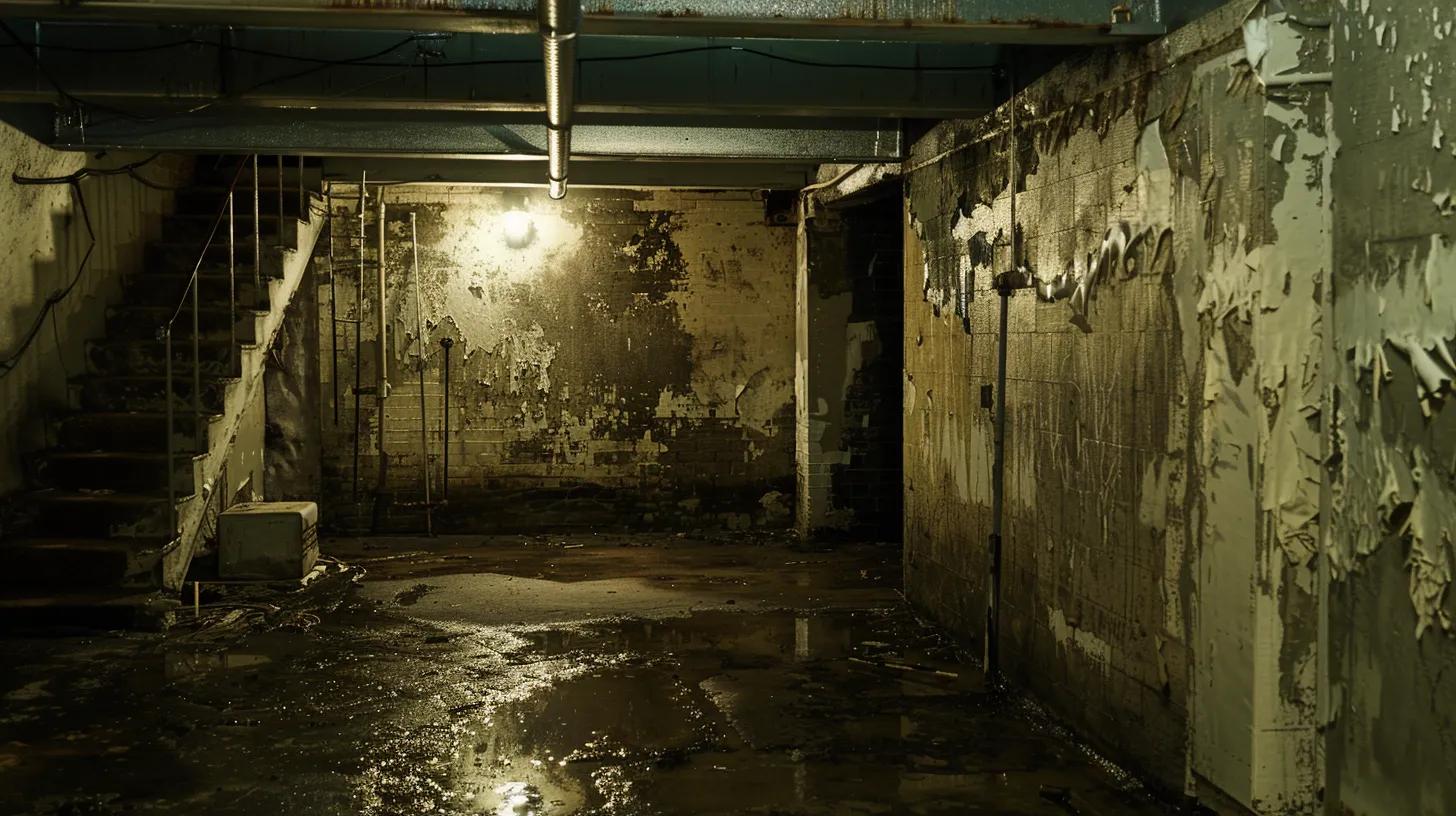
Untreated basement water damage poses serious risks beyond aesthetics, affecting both health and structural safety.
How Does Mold Growth Affect Indoor Air Quality and Health?
Mold spores released from persistent water damage can trigger allergies, respiratory issues, and other health complications, particularly in vulnerable individuals. Continuous exposure to mold is linked to chronic conditions such as asthma, making timely remediation imperative.
What Structural Damages Can Result From Prolonged Water Exposure?
Long-term water exposure can weaken concrete slabs, corrode reinforcing materials, and degrade masonry. Wood components may rot, further compromising structural integrity and reducing property value. Early repair and waterproofing are crucial for preventing these damages.
How Does Basement Water Damage Affect Home Value and Safety?
Basement water damage can significantly lower a home’s market value and deter potential buyers. Beyond the financial impact, ongoing water intrusion poses serious safety risks, such as sudden structural failure and health hazards from mold exposure.
What Are the Most Frequently Asked Questions About Basement Water Damage Symptoms?
Below are concise answers to common questions regarding basement water damage.
What Are the Early Warning Signs of Basement Water Damage?
Early signs include a musty odor, damp patches, peeling paint, visible water stains, and hairline cracks. Subtle humidity changes also suggest early water intrusion.
How Can I Quickly Identify Mold in My Basement?
Look for discolored or fuzzy patches on walls and ceilings accompanied by a damp, musty smell. Tactile inspection may reveal slimy or cold areas. Professional testing can confirm the presence of mold spores.
What Causes Basement Walls to Crack and Leak Water?
Cracks result from foundation settling, hydrostatic pressure, and natural material wear. These issues create pathways for water infiltration, necessitating repair of the underlying drainage or structural stress.
How Do I Stop Basement Water Damage Before It Gets Worse?
Preventative measures include improving exterior drainage, sealing foundation cracks, installing a sump pump, and applying waterproof sealants. Regular inspections help catch and address minor issues early.
Table: Common Basement Water Damage Indicators and Solutions
Before we conclude, the table below summarizes common indicators, their likely causes, recommended solutions, and potential impacts.
This table reinforces the importance of early detection and intervention to prevent severe water damage.
Final Thoughts
At CHW Basement Waterproofing South Jersey, we know that basement water damage is more than a cosmetic issue—it is a serious threat to your family’s health and your property’s structural integrity. By identifying early signs such as musty odors, efflorescence, and cracks, you can take prompt action to safeguard your home. Our comprehensive approach—combining proper basement waterproofing South Jersey, regular inspections, and expert repairs—ensures long-term protection. Contact us for a free estimate, and together, we’ll secure a dry, safe basement for years to come.
Frequently Asked Questions
Q: What early signs indicate potential basement water damage? A: Early signs include a musty odor, damp patches, peeling paint, and minor wall cracks. Increased humidity and water stains also signal early intrusion.
Q: How do I know if the efflorescence on my walls is due to water damage? A: Efflorescence appears as a white, powdery residue on walls when water dissolves salts and deposits them. It indicates that water is penetrating building materials, requiring further inspection and waterproofing.
Q: Can poor drainage around my house contribute to basement water problems? A: Yes, inadequate drainage increases hydrostatic pressure and directs water toward your foundation, causing moisture-related issues inside the basement.
Q: What role does a sump pump play in preventing basement water damage? A: A sump pump collects and expels excess water from the basement, preventing flooding and reducing the risk of water intrusion during heavy rains or high groundwater levels.
Q: How often should I have my basement inspected for water damage? A: It is recommended to have your basement professionally inspected annually. Regular checks help detect early moisture issues, allowing for timely repairs.
Q: What are the health risks associated with mold from basement water damage? A: Mold can degrade indoor air quality and trigger respiratory issues and allergies. Prompt remediation and waterproofing minimize these health risks.
Q: Why is addressing basement water damage important for overall home value? A: Unaddressed water damage can lead to structural deterioration, lower your home’s market value, and create safety hazards. Regular maintenance and timely repairs preserve both your home’s integrity and value.