
What to Expect from South Jersey Waterproofing Contractors: Complete Basement Waterproofing & Repair
If you’re hiring a waterproofing contractor in South Jersey, expect a step-by-step inspection that follows code, a solution tailored to local soils and groundwater, and clear paperwork that spells out workmanship and warranty details. This guide walks through the professional process, common services you’ll see in our region, how local conditions affect recommendations, and what to expect for cost, schedule, and upkeep. You’ll learn to tell interior and exterior approaches apart, spot warning signs like efflorescence and hydrostatic pressure, and evaluate contractor proposals so you can make confident choices. From the on-site visit through installation and follow-up, we cover the contractor’s workflow, major cost drivers, licensing and insurance advantages, and a practical maintenance checklist. We also weave in local search terms like “local waterproofing contractors South Jersey,” “basement waterproofing South Jersey,” and “sump pump installation South Jersey” to keep recommendations regionally relevant.
Key Basement Waterproofing Services Offered by South Jersey Contractors
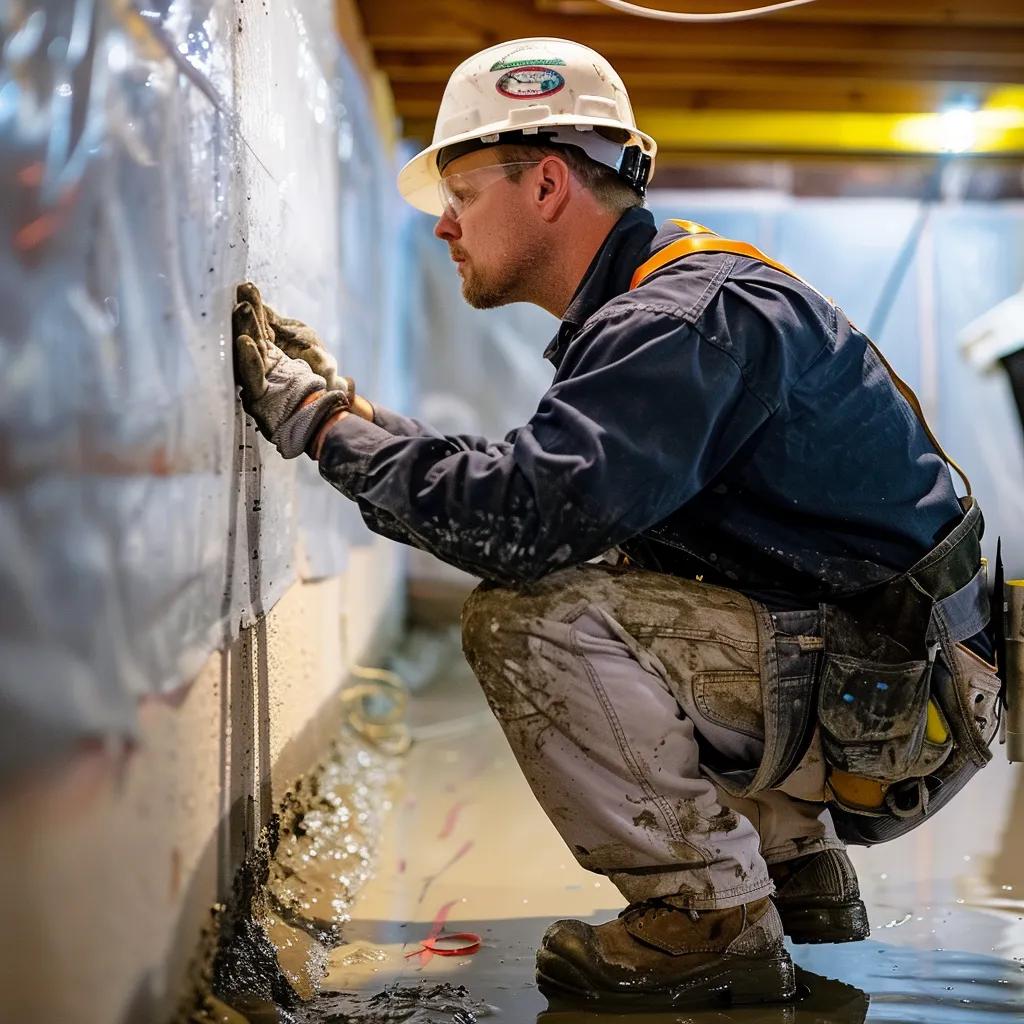
Contractors in South Jersey typically provide a core set of services designed for our clay and mixed soils and the area’s often-high water table. Some systems redirect groundwater away from the foundation; others manage water that already gets inside—both reduce hydrostatic pressure and protect against mold. Expect a good contractor to explain when an interior system (perimeter drain and sump) is a smarter, less disruptive choice versus exterior excavation, and when crack injection or structural foundation work is required. Knowing these differences helps you balance short‑term disruption, long‑term performance, and maintenance. Below is a clear comparison to match common symptoms with the right solutions.
The following table summarizes common services, their typical use cases, and the benefits homeowners can expect in South Jersey.
Interior vs. Exterior Solutions: What Protects South Jersey Basements?
Interior solutions—perimeter drains, cementitious sealers, and dehumidifiers—manage water that has already entered the structure. They’re usually faster to install and less disruptive to landscaping, which is useful where exterior access is limited. Exterior methods—excavation, waterproof membranes, and outside French drains—stop water at the source and reduce hydrostatic pressure but require more digging and yard work. For many South Jersey homes with higher groundwater, a combined approach often delivers the most durable protection. The right choice depends on site access, how severe the intrusion is, and long‑term performance goals.
How Crack Repair and Foundation Stabilization Reduce Water Damage Risk
Crack repair separates cosmetic or hairline issues—often addressed with epoxy or polyurethane—from structural cracks that signal movement and need stabilization. Injection methods create a watertight bond; polyurethane expands to fill irregular voids. Structural repairs, such as wall anchors, helical piles, or underpinning, fix the root cause of movement and prevent leaks from returning. Timely repairs reduce mold risk, protect finished spaces, and stop damage to adjacent components. Contractors typically study crack patterns, settlement signs, and drainage before recommending the most cost‑effective fix.
How the Waterproofing Process Works with Licensed Contractors in South Jersey

A licensed contractor follows a reliable sequence: a detailed inspection, a written estimate with options, agreed scheduling, professional installation, system testing, and follow‑up or warranty service. The inspection documents moisture sources, wall and floor conditions, yard grading, and existing drainage so the diagnosis is evidence‑based. Estimates should itemize materials, labor, permits, and alternatives so you can compare bids fairly and confirm code compliance. During installation, crews implement the selected system, test pumps and drains, and walk through operations with you. The job finishes with written warranty details and any planned follow‑up checks to confirm performance.
Below is a step‑by‑step outline of what typically happens during a contractor visit so you know what to expect at each phase.
- Initial contact and inspection: We schedule an on‑site assessment to identify moisture sources, measure humidity, and note structural signs.
- Diagnosis and written estimate: You receive a clear estimate listing recommended solutions, materials, line‑item costs, and timeline options.
- Scheduling and permit handling: The contractor coordinates permits, site access, and a start date while readying crews and materials.
- Installation and testing: Chosen systems are installed, pumps and alarms are tested, and discharge routing is verified.
- Final walkthrough and documentation: You get operation instructions, warranty paperwork, and maintenance guidance in writing.
These steps set expectations for transparency and timing. Below we cover the quality checks and warranties that help ensure durable results.
From Inspection to Installation and Follow‑Up: What Happens
At inspection, contractors look for visible signs—efflorescence, peeling paint, damp insulation—measure humidity, and check external grading and roof drainage that may feed the problem. The written estimate should separate materials, labor, excavation (if needed), and permit fees so you can compare offers and ask targeted questions. Installation follows the agreed plan: interior drains are placed at footing level, sump basins go in low spots, exterior membranes and French drains are installed where chosen, and pumps and alarms are wired and tested. After completion, the contractor demonstrates system operation, provides warranty and maintenance instructions in writing, and schedules any follow‑up monitoring. This documentation reduces disputes and supports warranty claims if problems reappear.
How Contractors Deliver Long‑Lasting Results and Customer Satisfaction
Durable outcomes come from good material choices, skilled installers, and post‑installation testing—backed by clear warranties and maintenance schedules. Proper membranes, correctly sloped French drains, industrial‑grade sump pumps, and appropriately sized discharge lines all help avoid early failures when installed per manufacturer specs and code. Contractors typically offer workmanship and manufacturer warranties with defined coverage and durations, and they explain homeowner maintenance required to keep warranties valid. Prompt service, documented repairs, and scheduled checks further protect your investment and maintain satisfaction.
What Drives Basement Waterproofing Costs in South Jersey?
Cost depends on several factors: how severe the water intrusion or structural damage is, whether you choose interior or exterior systems, soil type and groundwater depth, site access and excavation difficulty, and the materials and equipment required. Jobs needing heavy excavation, complex discharge routes, or foundation stabilization sit at the higher end; targeted interior drains or crack injections are usually quicker and less expensive. Extras—dehumidifiers, battery backup for sump pumps, and landscaping restoration—also add to the price. Transparent, line‑item estimates help you see why bids differ and evaluate the long‑term value of a durable solution versus a quick fix.
The table below clarifies common cost drivers, how they affect price, and typical examples so you can anticipate budget needs.
What Affects Pricing for Sump Pump and French Drain Work?
Pricing for sump pumps and French drains hinges on whether a sump pit already exists, how deep and how long the French drain must be, how hard the soil is (excavation time), and whether a higher‑capacity pump or a battery backup is needed. Routing the discharge line to an approved outfall or dry well can require extra trenching or permits. Access constraints—side yard width, nearby utilities, and landscaping—also change labor estimates. Ask for line‑item pricing (pit installation, pump model, piping, labor, discharge routing) so you can compare technical equivalence between bids rather than only bottom‑line totals.
How Free Estimates and Flexible Payment Plans Help Homeowners
A free on‑site estimate gives you a no‑commitment diagnosis and lets you compare recommended options, material grades, and schedules across contractors. Flexible payment plans ease upfront cost and let homeowners choose more robust, longer‑lasting systems instead of short‑term fixes. When considering financing, get terms in writing—interest, schedule, and penalties—and confirm warranties remain valid regardless of payment plan. Many licensed South Jersey providers offer free estimates and flexible financing to help homeowners move forward without sacrificing system quality.
Why Hire Licensed and Insured Waterproofing Contractors in South Jersey?
Choosing licensed and insured contractors protects you from liability, helps ensure work follows New Jersey building codes, and improves the odds of a durable, compliant installation. Licensing demonstrates baseline competency and often means contractors follow safety rules and handle permits properly. Insurance shields homeowners if accidents or property damage occur during work. Local, experienced teams also know South Jersey soil behavior, common foundation types, and municipal permit processes, reducing the risk of incomplete or noncompliant jobs. Prioritizing licensed, insured professionals gives you better performance, recourse, and smoother warranty enforcement.
Here are a few trust signals to verify before hiring.
- Licensing verification: Confirm the contractor holds required NJ licenses and can provide permit documentation.
- Insurance coverage: Ask for proof of liability and workers’ compensation insurance to protect your property.
- Clear written estimates and warranties: Make sure timelines, scope, and warranty coverage are spelled out in writing.
Benefits of Hiring Experienced, NJ‑Licensed Waterproofers
Experienced, NJ‑licensed teams understand state and local codes, have established subcontractor networks, and use proven installation protocols that reduce mistakes and rework. They’re better equipped to secure permits, handle inspections, and coordinate with municipal authorities on discharge routing or soil disturbance. Local experience also means they recommend materials and systems suited to South Jersey’s clay soils and seasonal groundwater patterns, improving long‑term results. When warranty issues occur, licensed firms have clearer processes for documented repairs and customer support.
How Warranties and Guarantees Protect Your Investment
Warranties fall into workmanship coverage (contractor responsibility for installation) and manufacturer coverage (material defects). Both should be written with clear durations and exclusions. Ask who handles service calls, whether travel and labor are included, and what actions could void coverage—like skipped maintenance. Written warranty procedures and response expectations remove ambiguity and speed remediation if a system underperforms. Understanding warranty scope helps you weigh the value of higher‑quality systems that often include longer, more comprehensive protection.
Common Basement Problems in South Jersey That Require Professional Waterproofing
Basements in South Jersey often deal with hydrostatic pressure, chronic dampness, efflorescence, mold, and standing water after heavy rains. Hydrostatic pressure from high groundwater forces water through joints and cracks; ongoing moisture raises humidity and encourages mold that affects air quality. Efflorescence—white mineral streaks on masonry—signals water migration and often precedes bigger leaks. Professional waterproofing redirects water, seals penetrations, stabilizes foundations, and lowers interior humidity to protect structure and occupant health. Addressing persistent moisture early prevents escalating damage and higher repair costs.
Use the list below to match common symptoms with likely causes and professional actions to prioritize fixes.
- Musty odors and peeling paint: Sign of chronic moisture—recommend interior drainage, dehumidification, and a mold assessment.
- White mineral deposits on walls (efflorescence): Shows water moving through masonry—recommend improved drainage, sealing, or exterior waterproofing.
- Standing water after storms: Indicates poor perimeter drainage or grading—recommend a French drain or sump pump system.
How Hydrostatic Pressure, Mold, and Moisture Damage Basements
Hydrostatic pressure happens when groundwater pushes against foundation walls and floors, forcing moisture through joints and cracks and speeding up masonry and concrete deterioration. Persistent dampness raises indoor humidity and creates conditions for mold, which can harm finishes and indoor air quality. Left unchecked, these forces can corrode embedded metals, cause concrete spalling, and lead to structural weakening that demands costly foundation repair. Professional systems reduce hydrostatic pressure with drainage and membranes and lower mold risk by controlling humidity and eliminating water sources.
What Crawl Space Encapsulation and Drainage Systems Do for Your Home
Crawl space encapsulation installs a vapor barrier, seals vents, and often adds a dehumidifier to create a dry subfloor environment—reducing humidity transfer into living areas and preventing wood rot and mold. Interior drainage systems capture groundwater at the perimeter and route it to a sump pump; exterior French drains move surface and subsurface water away before it reaches the foundation. Together, these measures improve indoor air quality, reduce HVAC load by stabilizing humidity, and protect structural components. Regular maintenance of encapsulation seals and drainage outlets keeps performance consistent and energy benefits intact.
How Homeowners Should Maintain Waterproofed Basements After Service
Regular upkeep preserves system performance, keeps warranties valid, and prevents small problems from becoming big ones. Adopt simple routines: visually check the sump pit and pump, test pump operation, keep discharge lines clear and routed away from the foundation, and monitor humidity with a hygrometer. Seasonally, clean gutters and downspouts, confirm exterior grading slopes away from your home, and inspect seals around penetrations. Schedule professional inspections after major storms or annually to catch wear or failures early and to support any warranty service.
The table below lists key components, recommended tasks, and suggested frequencies to make maintenance straightforward.
Here are a few practical sump‑pump and moisture‑control checks you can perform.
- Inspect the sump pit for debris, run the pump to verify activation, and confirm any battery backup is working.
- Make sure discharge piping is clear, firmly connected, and directs water several feet from the foundation or to an approved outfall.
- Track indoor humidity and use a dehumidifier as needed to keep relative humidity below 50% to reduce mold risk.
Best Practices for Sump Pump Care and Moisture Control
Monthly visual checks of the sump basin remove debris that can jam the pump; yearly tests under load confirm capacity and float‑switch operation. Test and replace battery backups per manufacturer guidance and verify audible alarms so you’ll know if the pump fails. Maintain exterior grading and keep gutters and downspouts directing water well away from the foundation to reduce inflow and pump cycling. Consistent humidity monitoring and dehumidifier upkeep prevent mold and protect interior finishes, keeping your waterproofing system working as designed.
When to Schedule Inspections or Repairs
Arrange professional inspections annually, after major storms, and before real‑estate transactions or large interior renovations that may reveal moisture issues. Call immediately for continuous water intrusion, sudden widening cracks, repeated pump cycling without effective discharge, or strong musty odors that suggest mold. Proactive checks find failing pumps, broken discharge lines, or breached seals before they become structural problems—timely repairs are almost always less expensive than deferred fixes.
When you’re ready to move from evaluation to action, CHW Basement Waterproofing South Jersey offers local, licensed, and insured services that follow these best practices. Serving Burlington and greater South Jersey, CHW provides free on‑site estimates and flexible payment plans to help homeowners select durable solutions that fit their budgets. Their services include interior and exterior basement waterproofing, basement crack repair, foundation repair, crawl space encapsulation, French drain installation, and sump pump installation—each delivered with written estimates and warranty documentation. Request a no‑cost estimate to receive an itemized plan and financing options that make monthly costs clear without cutting corners on quality.
If you’re dealing with persistent basement moisture or want a professional assessment, schedule a free estimate or inspection with CHW Basement Waterproofing South Jersey. Their licensed, insured teams will evaluate your site, explain options tailored to South Jersey soils and water tables, and provide a written proposal with transparent pricing and warranty terms. To arrange an inspection or in‑person consultation, call CHW Basement Waterproofing South Jersey at 856-249-3343 or visit the local office at 1130 Route 130 North, Burlington City, NJ 08016 to learn how targeted waterproofing can protect your home.
Frequently Asked Questions
What are the signs that my basement needs waterproofing?
Look for persistent dampness, musty odors, visible mold, white mineral deposits (efflorescence), or water pooling near the foundation after rain. Frequent humidity problems or recurring wet spots also point to the need for professional waterproofing. Early action prevents more serious structural damage and costly repairs.
How long does the waterproofing process typically take?
Timelines vary by scope. Many complete waterproofing jobs take one to three days, including inspection, installation of drains or membranes, and final testing. Larger exterior or structural projects can take longer—discuss timing with your contractor during the estimate so you know what to expect.
Are there any maintenance tasks I should perform after waterproofing?
Yes. Regular maintenance keeps systems working and warranties valid. Check sump pumps visually, test pump operation, clear discharge lines, and monitor indoor humidity. Clean gutters and downspouts, inspect seals, and schedule professional checks annually or after major storms to catch issues early.
What should I look for in a waterproofing contractor?
Choose licensed, insured contractors with positive reviews and a portfolio of completed projects. Ask for clear, written estimates and warranty terms. Good contractors will explain materials, installation steps, and maintenance needs in plain language so you can compare bids confidently.
Can I waterproof my basement myself, or should I hire a professional?
Simple tasks like sealing small cracks can be DIY, but comprehensive waterproofing—especially where hydrostatic pressure or drainage is involved—is best handled by professionals. Licensed contractors bring the right tools, code knowledge, and experience to deliver long‑lasting solutions.
What are the potential costs associated with basement waterproofing?
Costs vary widely depending on the problem and the chosen solution. Typical professional jobs often fall between $1,500 and $5,000, but projects requiring excavation or structural repair can cost more. Get detailed estimates from multiple contractors to compare line‑item pricing and value.
Conclusion
Working with a licensed waterproofing contractor in South Jersey helps protect your home from moisture problems while ensuring work complies with local codes. By understanding available solutions and the trade‑offs involved, you can choose the right approach to protect your property and its value. Don’t wait for small issues to grow—take action now. Contact CHW Basement Waterproofing South Jersey for a free estimate and personalized recommendations that meet your needs.
**